
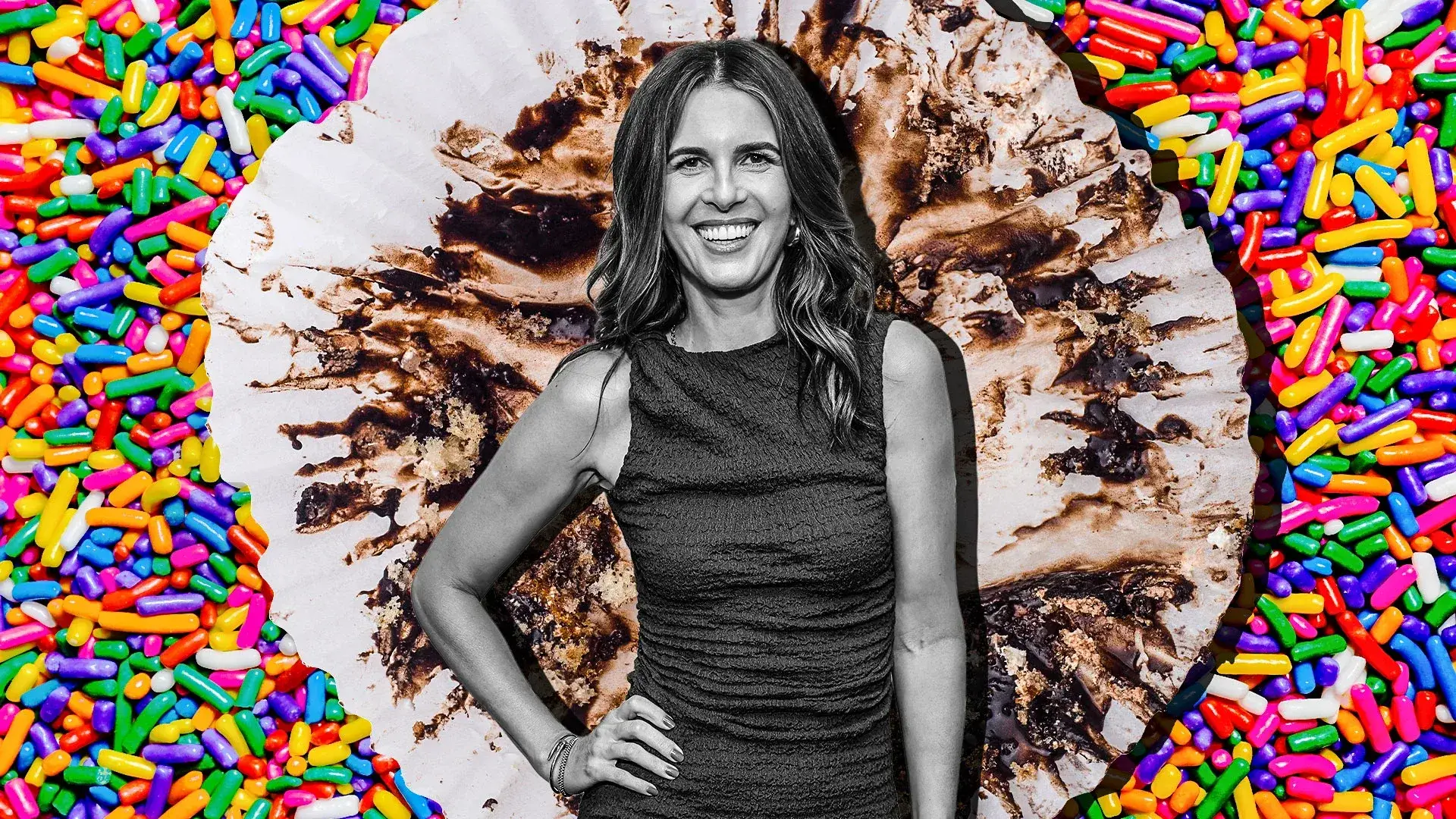
After two decades as a staple of American dessert culture, Sprinkles is closing all of its retail locations nationwide, including its cherished shop in Disney Springs, bringing an abrupt end to a brand that once helped define the U.S. cupcake boom.
The news, first flagged by industry trackers and social media posts, was confirmed in a carefully measured Instagram video by Candace Nelson, the bakery’s founder, who sold the company more than a decade ago.
In the candid and emotional message, Nelson, who launched Sprinkles in Beverly Hills in 2005 and exited operational ownership in 2012, spoke about the closure with a sense of shock and personal loss.
In the video, Nelson reflected on the closure with true emotion. “I thought it would be forever. I thought it would be my legacy,” she said. “It’s hard to describe how I’m feeling right now.”

An entrepreneurial journey
Nelson’s words capture the strange tension of business and memory: the distance between a founder’s dream and the life cycle of the enterprise she created. For many consumers, Sprinkles Cupcakes was never simply a bakery. It was a ritual, a go-to for any celebration, a shared memory and for many, a sweet punctuation mark at the end of a day out. Confirmation this week that Sprinkles’ retail era has reached its end has triggered a wave of reflection that extends far beyond the closing of a chain of cupcake stores.
The brand’s now-famous Cupcake ATM transformed a simple treat into a tiny piece of theatre. At locations such as The Grove in LA and Disney Springs in Walt Disney World, the brand wove itself into family itineraries and travel rituals. Celebrity makeup artist and entrepreneur Monika Blunder expressed on social media what many long-time customers felt, to founder Nelson:
“Every Sprinkles cupcake has brought so much joy into my life and my family…you’ve built the most amazing company and you should be so proud of yourself.”
A Quiet End to a Loud Beginning
Sprinkles was born in 2005 in Beverly Hills, California at a moment when cupcakes were re-emerging from the periphery of desserts into the mainstream. Nelson, a former investment banker turned pastry entrepreneur, opened the first store with a focus on craftsmanship and everyday indulgence, decades after cupcakes had largely receded from center stage in bakery counters. Over the years, Sprinkles expanded across the country with traditional retail bakeries, mall kiosks and, later, its signature Cupcake ATM, a vending-machine concept that dispensed fresh cupcakes 24/7.

At Disney Springs, the Sprinkles location became part of the reimagined shopping district’s Town Center in 2016, joining a mix of restaurants, boutiques and entertainment venues that had made the destination a must-visit for locals and tourists alike.
Sudden Shutdown, Sparse Communication
What has unsettled many in the industry and prompted a public reaction on social platforms, is the suddenness of the closures. Reports indicate that employees across Sprinkles’ nationwide footprint received little to no advance notice that their stores would close as of Dec. 31, 2025. Multiple unverified employee posts on Reddit and Instagram claimed staff were informed with less than a day’s warning.
Customers at Disney Springs noticed the company’s official listings on the Disney website no longer showed operating hours beyond Dec. 31, an early signal of change often taken seriously by those who track theme-park district operations. The bakery’s online ordering platform now prevents bookings past the final day of the year, further suggesting that the retail footprint is being shuttered.
Neither Sprinkles’ current owners, a private equity firm that acquired the business years after Nelson’s departure, nor Disney have issued a formal press release about the decision. Attempts by national news outlets to reach corporate spokespeople for comment were unsuccessful before publication.
A Larger Trend in Quick-Service Retail?
The closure of Sprinkles, if definitively confirmed, would not be an isolated retail departure. Across the industry, quick-service bakeries and niche specialty food stores have faced pressure in recent years from rising rents, evolving consumer preferences and the increasing dominance of larger food-service platforms. In travel and entertainment districts, visitor patterns and spending behaviours have shifted with seasonal tourism and tenant turnover is not uncommon. But sudden exits like Sprinkles’, seemingly without clear messaging from corporate leadership, are rarer, and they often spark questions about strategy, leadership and future business direction.
From Cupcake Craze to Global Dessert Culture

What has changed over the past decade is not simply what people eat, but how they want to experience indulgence. Dessert has shifted from a static product to a cultural category, influenced by global tastes, travel, social media discovery and a growing appetite for novelty and story.
Across high streets in the US, UK and Europe, new dessert concepts have emerged that borrow from, and celebrate, international traditions. Korean cafés, Japanese-inspired patisserie, Middle Eastern bakeries, and boutique gelato brands have reframed dessert as something more layered than sweet reward. It is nostalgia for some audiences, exploration for others and identity for the generations who encounter these flavours through diaspora, pop culture and travel.
The popularity of mochi doughnuts, croffles, Basque cheesecakes, ube-coloured pastries, and Taiwanese bubble-tea dessert cafés speaks to that shift. These formats offer texture, spectacle and cultural storytelling, but they also deliver something cupcakes once did so powerfully: a sense of belonging to a moment.
Even in the UK, where high streets have traditionally leaned toward bakery staples, there has been a visible rise in Turkish and Middle Eastern patisserie boutiques, Japanese-style cheesecake cafés, and modern gelaterias designed not just around flavour, but around leisure and social space. These aren’t simply places to buy dessert, they are places to ‘spend quality time’.
At Disney Springs, just minutes from the closing Sprinkles location, Gideon’s Bakehouse is part of that same movement. Its success is not only about oversized cookies, it is about theatre, scarcity, narrative, visual identity and world-building. For a new generation of consumers, dessert has become part-spectacle, part-comfort, part-cultural exploration.
A short ride away, visitors can also get a sweet-fix at another dessert destination, The Cake Bake Shop, which opened at Disney’s BoardWalk in late October 2024 and has quickly become part of the conversation around how consumers experience sweet treats today.

The Cake Bake Shop, a whimsical bakery and table-service restaurant by Gwendolyn Rogers, combines artisan cakes, elaborate ice desserts and patisserie classics with a full breakfast, lunch and dinner menu in an atmosphere designed to feel like a storybook escape. Its opening, long anticipated after construction delays and social media buzz, has drawn consistent visits from guests keen to sample its visually striking celebration cakes and indulgent pastries in a destination setting both for meals and ‘Instagramable’ moments.
Its opening, long anticipated after construction delays and social media buzz, has drawn consistent visits from guests keen to sample its visually striking celebration cakes and indulgent pastries in a destination setting both for meals and moments.
The BoardWalk location’s long line’s, pastel & twinkling décor and emphasis on immersive experience underline how newer dessert concepts are not just selling sweetness, they are selling memory and occasion, anchoring themselves as destinations in their own right in a marketplace full of choice and next-generation rituals.
Traditional cakes and frosted baked goods still exist within that landscape. They remain loved, recognisable, and emotionally anchored, but they now share the stage with a far broader and more globally influenced field of choice.
In today’s market, the question is rarely “shall we get dessert?” it is “which story do we want to step into?”
Sprinkles’ story sits within a broader conversation now shaping global consumer brands.
The strategic lesson beneath the sentiment
Growth and investment remain essential, but value increasingly depends on leadership that understands:
• how emotion behaves across expansion
• how meaning shifts beyond the founder era
• how loyalty responds to ownership change and restructuring
That is why many organisations now engage independent, cross-sector consumer strategists during transition phases, not to resist growth, but to guide it in a way that keeps the financial trajectory and emotional trajectory aligned.
Because trust, joy and perceived care are not soft variables.
They are economic ones.
And when they weaken, the effects appear first in sentiment, long before they surface in financial reporting.
What remains and what this moment leaves behind
Sprinkles may soon no longer exist as a physical retail footprint, but its imprint endures: in photographs of Cupcake ATMs shared across social feeds; in birthday memories and family rituals; in the entrepreneurs and bakery concepts it inspired.
For Candace Nelson, the sense of unfinished legacy is deeply human.
For customers, the closure marks the end of a chapter they believed would continue.
For the wider business community, Sprinkles is a reminder that brand value sits at the intersection of capital, craft and human experience, and that the strongest outcomes emerge when businesses scale without losing the qualities that made people care in the first place. Because, in the end, consumers don’t remember store counts or expansion curves.
They remember how a brand made life feel, especially in the small, joyful moments where it quietly became part of their world.
Representatives of Sprinkles have been contacted for comment.
Find Kate Hardcastle on LinkedIn and X. Visit Kate’s website. Browse additional work.
Restaurant closures in 2025
Denny’s – Denny’s has confirmed that up to 150 locations are set to close in the US by the end of the year as many of them are no longer profitable.
Red Lobster – The chain has said that it plans to close over 100 stores across the country this year as new CEO Damola Adamolekun takes over.
TGI Friday’s – TGI Friday’s is still being forced to shutter locations thanks to a bankruptcy filing, including 30 in April alone.
Applebee’s – This chain is projecting a loss of 20 to 35 Applebee’s spots in 2025 but is teaming up with IHOP to introduce dual-branded locations with a curated menu of the two’s best items.
Noodles & Company – This emporium is set to close between 17 and 21 locations in 2025 following a difficult 2024.
finasteride
finasteride
fluconazole over the counter
fluconazole over the counter
ciprofloxacin eye drops
ciprofloxacin eye drops
remeron 15 mg weight gain
remeron 15 mg weight gain
protonix
protonix
nexium 24hr tablets
nexium 24hr tablets
avanafil in canada
avanafil in canada
semaglutide compound vs tirzepatide compound
semaglutide compound vs tirzepatide compound
dutasteride injections reddit
dutasteride injections reddit
propecia hair loss
propecia hair loss
does doxycycline make you sweat
does doxycycline make you sweat
sildenafil 100mg for sale
sildenafil 100mg for sale
minoxidil reddit review
minoxidil reddit review
acyclovir tablet uses in kannada
acyclovir tablet uses in kannada
orlistat cap 120mg
orlistat cap 120mg
saxenda parent company
saxenda parent company
toradol safe duration
toradol safe duration
ivermectin overview FAQ
ivermectin overview FAQ
ivermectin safety profile data
ivermectin safety profile data
minoxidil medical evidence
minoxidil medical evidence
minoxidil onset and duration
minoxidil onset and duration
minoxidil women’s results
minoxidil women’s results
orlistat contraindication list
orlistat contraindication list
sinusitis postnasal drip
sinusitis postnasal drip
Sildenafil Variability Resource
Sildenafil Variability Resource
sildenafil tadalafil response differences
sildenafil tadalafil response differences
Sildenafil vs Avanafil Clinical Summary
Sildenafil vs Avanafil Clinical Summary
Sildenafil vs Cialis Duration Timing
Sildenafil vs Cialis Duration Timing
Sildenafil vs Avanafil Peak Review
Sildenafil vs Avanafil Peak Review
sildenafil mechanism of action
sildenafil mechanism of action
sildenafil product indications
sildenafil product indications
more information about tadalafil
more information about tadalafil
tadalafil pharmacokinetic characteristics
tadalafil pharmacokinetic characteristics